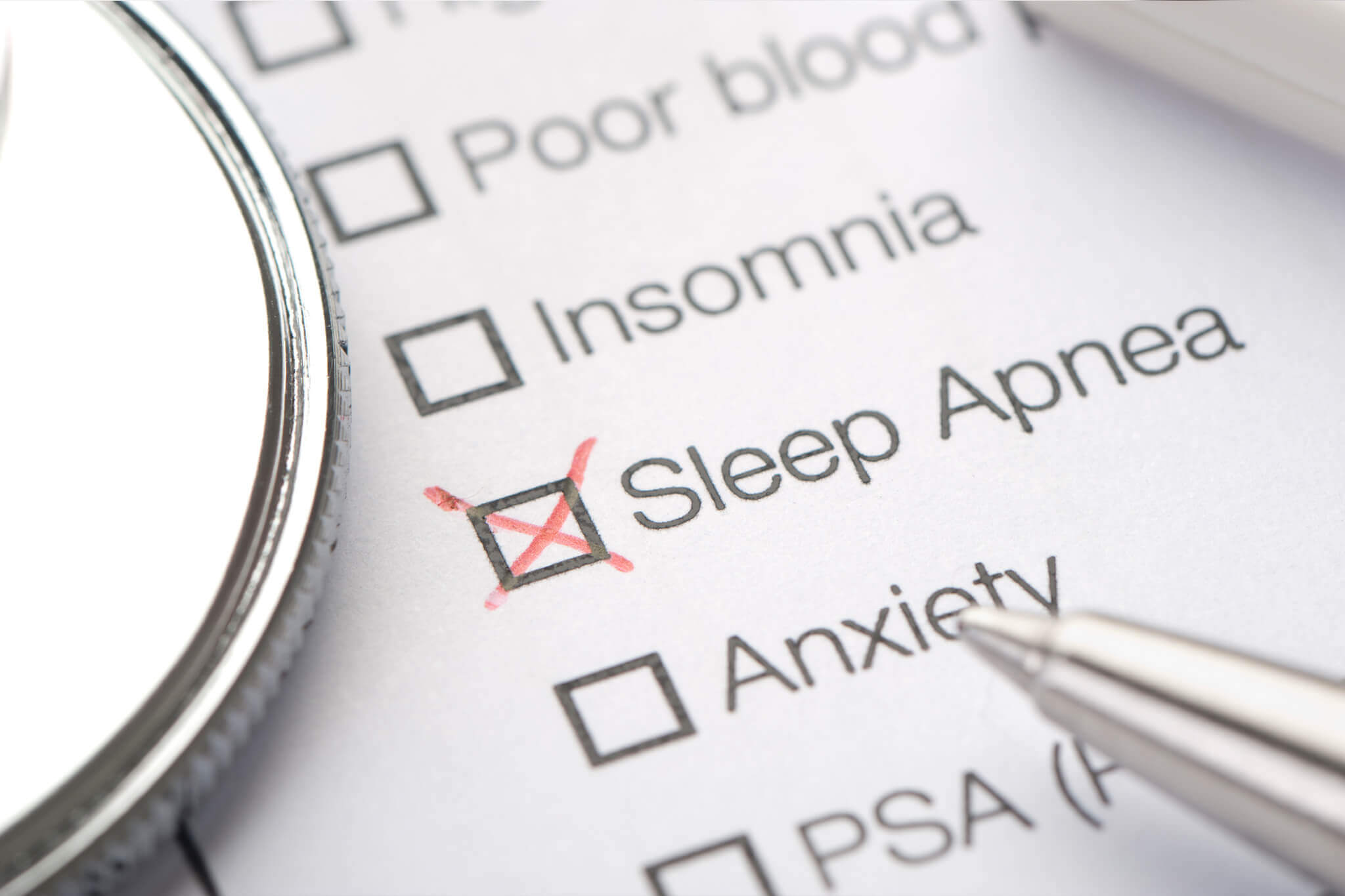
The total number of hours you spend in bed does not tell the whole story. The true measure of restorative rest lies in how deeply and continuously you sleep.
In short,
- Eight hours of sleep does not guarantee rest if your sleep cycles are continuously interrupted.
- Brief micro-arousals from breathing issues or leg movements quietly disrupt deep, restorative sleep.
- Consulting a sleep specialist can help identify hidden triggers and restore your daytime energy.
Introduction to Sleep Fragmentation
If you are searching for expert sleep medicine near you to address persistent daytime exhaustion, you are not alone. Many people spend a full eight hours in bed each night yet wake up feeling completely drained and unrefreshed.
This frustrating experience often points to a hidden issue with sleep quality rather than the actual quantity of hours spent asleep.
While sleep quantity refers to the total hours spent in bed, quality relates to how well your body transitions through the necessary stages of rest. According to the National Institutes of Health (NIH), when your sleep is fragmented, you miss out on the deep, restorative phases that allow your brain and body to heal.
Understanding Sleep Quantity vs. Sleep Quality
Sleeping for eight hours does not guarantee that your body has completed its essential nightly recovery. True physical and mental restoration depends on continuous, uninterrupted sleep cycles flowing smoothly from light sleep to deep sleep and rapid eye movement sleep.
Frequent interruptions force your brain to restart its sleep cycle from the beginning. This cuts your deep sleep short, preventing your body from repairing tissue and supporting your immune system.
The Hidden Role of Micro-Arousals
Micro-arousals are brief shifts in brain wave activity lasting only a few seconds. Because these interruptions are so short, you will not remember waking up, but they still disrupt your sleep cycle and prevent deep rest.
Causes and Underlying Risk Factors
Many physical and environmental factors can disrupt your sleep without you realizing it. Identifying these specific triggers is the first step toward finding relief from a specialist in sleep medicine near you.
Upper Airway Resistance and Breathing Disruptions
During sleep, your breathing passages can narrow slightly, restricting the amount of air that reaches your lungs. Even a minor reduction in airflow forces your brain to work harder to pull in oxygen. To prevent suffocation, your brain sends a sudden stress signal that briefly jolts your body into a lighter stage of sleep.
This condition is known as upper airway resistance syndrome, or UARS. It triggers frequent micro-arousals throughout the night, though you will likely have no memory of waking up. These constant disruptions prevent you from spending enough time in the deep, restorative stages of sleep.
Periodic Limb Movements and Physical Restlessness
Periodic limb movement disorder, or PLMD, is another frequent but often unrecognized cause of fragmented sleep.
This condition causes your legs, and sometimes your arms, to twitch, jerk, or flex involuntarily while you are asleep. These repetitive movements typically occur rhythmically every 20 to 40 seconds, lasting anywhere from a few minutes to several hours throughout the night.
Over time, this constant disruption leaves you feeling exhausted the next day, even if you believe you slept through the night.
According to MedlinePlus, these involuntary movements are often linked to nervous system sensitivity or other underlying medical conditions. Factors like iron deficiency, kidney issues, or certain medications can contribute to the frequency and severity of these nighttime movements.
Signs and Symptoms of Fragmented Sleep
Recognizing the subtle indicators of poor sleep quality helps explain persistent daytime fatigue. Your body often signals distress through daily symptoms even after a full night in bed.
Common Signs of Disturbed Sleep Architecture
Many individuals with fragmented sleep experience severe morning grogginess or sleep inertia lasting for hours. If you constantly snooze your alarm or need long daytime naps that do not help, your sleep architecture may be compromised.
Secondary Cognitive and Emotional Impacts
Chronic sleep fragmentation often leads to persistent brain fog, difficulty concentrating, short-term memory issues, heightened irritability, and mood fluctuations.
Comprehensive Diagnostic Approaches
Professionals in sleep medicine near you use specialized tools to look beyond basic sleep questionnaires and evaluate what happens to your body at night to find the root cause of fatigue.
Evaluating Sleep Efficiency and Architecture
To understand the quality of your rest, specialists in sleep medicine near you use advanced diagnostic technologies to map your unique sleep stages throughout the night.
These tools monitor your brain waves, oxygen levels, heart rate, and breathing patterns to create a detailed picture of your sleep cycle. This process allows clinicians to see exactly how much time you spend in light, deep, and REM sleep.
During this evaluation, specialists also calculate your arousal index, which measures how many times your sleep is disrupted per hour. Even if you do not fully wake up, these brief micro-arousals pull you out of deep, restorative sleep and leave you feeling exhausted the next day.
Research published by the National Center for Biotechnology Information (NCBI) highlights how analyzing these detailed sleep study metrics is crucial for diagnosing sleep fragmentation. By measuring these frequent, tiny interruptions, your healthcare team can determine the exact severity of your sleep issues and design a highly targeted treatment plan.
Key Diagnostic Steps for Patients
To find the root cause of your sleep issues, your healthcare team will guide you through a step-by-step evaluation.
- Keep a sleep diary for one to two weeks to track your daily sleep patterns, wake times, and lifestyle habits.
- Complete a clinical evaluation with a healthcare provider to review your medical history and discuss your symptoms.
- Undergo an overnight sleep study to monitor your brain waves, oxygen levels, heart rate, and breathing patterns if your provider suspects a sleep disorder.
Modern Treatment Options and Management
Effective sleep medicine near you addresses specific root causes of sleep disruptions, combining medical interventions with lifestyle adjustments.
Addressing Airway and Breathing Challenges
For breathing disruptions, positive airway pressure therapy keeps your airway open. Alternatively, custom oral appliances or targeted medical therapies for nasal congestion can significantly reduce micro-arousals.
Managing Movement and Environmental Factors
Treating underlying issues like iron deficiencies can relieve involuntary movements. You can also optimize your bedroom environment using blackout curtains, white noise, and calming pre-sleep routines.
Prevention and Lifestyle Optimization
Proactive daily habits support healthy sleep architecture and prevent nighttime wakefulness by reinforcing natural circadian rhythms.
- Essential Daily Habits for Better Rest: Keeping a consistent sleep schedule, avoiding caffeine and alcohol before bed, and staying active during the day can help you get deeper sleep.
- Sleep-Supportive Daily Checklist: Limit screen blue light exposure for an hour before bed, keep your bedroom cool, dark, and quiet, and practice relaxation techniques.
Frequently Asked Questions (FAQ)
Find answers to common questions about sleep disruptions, diagnostic testing, and how to reclaim your daytime energy with help from our local specialists in sleep medicine near you.
What is sleep fragmentation, and how does it differ from insomnia?
Insomnia refers to difficulty falling asleep or staying awake consciously during the night. Sleep fragmentation, on the other hand, occurs when you spend a full 7 to 8 hours asleep, but your sleep cycle is continuously broken up by brief, unnoticed interruptions called micro-arousals.
You may feel like you slept soundly through the night, but the constant disruptions prevent your body from spending enough uninterrupted time in deep, restorative sleep stages.
What are micro-arousals, and why don’t I remember waking up from them?
Micro-arousals are sudden shifts in brain wave activity that last only a few seconds. Because they are so brief, your brain does not fully register them as conscious awakenings, meaning you wake up with no memory of them occurring.
However, these tiny jolts force your nervous system to restart your sleep stage from the beginning, cutting short the deep sleep needed for physical repair and cognitive clarity.
How is sleep fragmentation diagnosed by a sleep specialist?
A specialist evaluates your sleep during an overnight sleep study (polysomnogram). This non-invasive test tracks your brain waves, oxygen levels, heart rate, and breathing. It measures how many times your sleep is interrupted per hour to find the cause of your fatigue.
What treatment options are available to improve sleep quality and reduce nighttime disruptions?
Treatment depends on the root cause identified during your evaluation. For breathing-related disruptions, options include continuous positive airway pressure (CPAP) therapy, custom oral appliances, or treatments for nasal congestion.
For movement disorders like PLMD, specialists often address underlying nutritional deficiencies (such as low ferritin/iron levels) or adjust targeted medications.
Find Expert Sleep Medicine in Sparks, Nevada
If you’re still feeling tired after a full night’s sleep, fragmented sleep may be quietly undermining your health and energy. Understanding the difference between how long you sleep and how well you sleep is the first step to lasting relief.
By identifying and addressing the hidden causes of disrupted sleep, you can restore deep, restorative rest and reclaim your daytime vitality.
If persistent fatigue is affecting your life, don’t wait. Consult the specialists at MelioREM Sleep Clinic in Sparks, Nevada, for expert evaluation and customized sleep medicine near you. Call (775) 557-4900 to schedule your appointment and start your journey toward truly restful sleep.