In short, finding the right solution for sleeplessness requires understanding your options and knowing when to consult a professional.
- Behavioral therapy works first. Cognitive behavioral therapy for insomnia is often the preferred initial approach for patients.
- Medications offer temporary relief. Prescription medications provide short-term assistance for severe cases of sleep deprivation.
- Specialists find root causes. A sleep specialist can diagnose underlying medical conditions that disrupt your natural sleep cycle.
The most effective treatment for insomnia in adults often begins with small lifestyle adjustments before moving to more advanced medical interventions. Millions of people struggle to fall asleep or stay asleep every night. It is a frustrating condition that drains your energy, harms your health, and affects your daily life.
You do not have to accept exhaustion as your normal state of being. Medical science provides numerous ways to improve your sleep quality and restore your vitality. If you find yourself staring at the ceiling night after night, it is time to explore the available options.
What Is the Best Treatment for Insomnia in Adults?
Finding the best treatment for insomnia in adults requires a careful evaluation of your symptoms, daily habits, and overall health. Physicians typically recommend starting with non-medical interventions. These behavioral changes often produce long-lasting results without the side effects of medication.
How Does Cognitive Behavioral Therapy Help?
Cognitive behavioral therapy for insomnia is widely considered the gold standard of care. This structured program helps you identify and replace thoughts or behaviors that cause or worsen sleep problems. It is often more effective than sleep medications because it addresses the underlying causes of your sleeplessness.
A study published in the NIH highlights that patients using cognitive behavioral therapy experience significant improvements in sleep latency. They fall asleep faster and wake up less frequently during the night. Therapists teach relaxation techniques, sleep restriction, and stimulus control to retrain your brain for healthy sleep.
When Are Medications Prescribed?
Sometimes, behavioral therapy is not enough, and doctors may recommend prescription medications to help you rest. These drugs are usually intended for short-term use to prevent dependence and side effects. Common medications include eszopiclone (Lunesta) and zolpidem (Ambien).
It’s important to note that while medications can provide immediate relief, they are most effective when combined with behavioral therapies. Your doctor will carefully monitor your progress and adjust your dosage as needed. It is crucial to follow their instructions to avoid unwanted complications.
Why Should You Consider a Sleep Specialist?
If your sleeplessness persists despite practicing good sleep hygiene and trying basic remedies, it is time to seek expert help. General practitioners can offer initial guidance, but a sleep specialist possesses specialized training to diagnose complex sleep disorders.
They use advanced diagnostic tools to monitor your brain waves, oxygen levels, and heart rate during sleep.
What Conditions Do Specialists Treat?
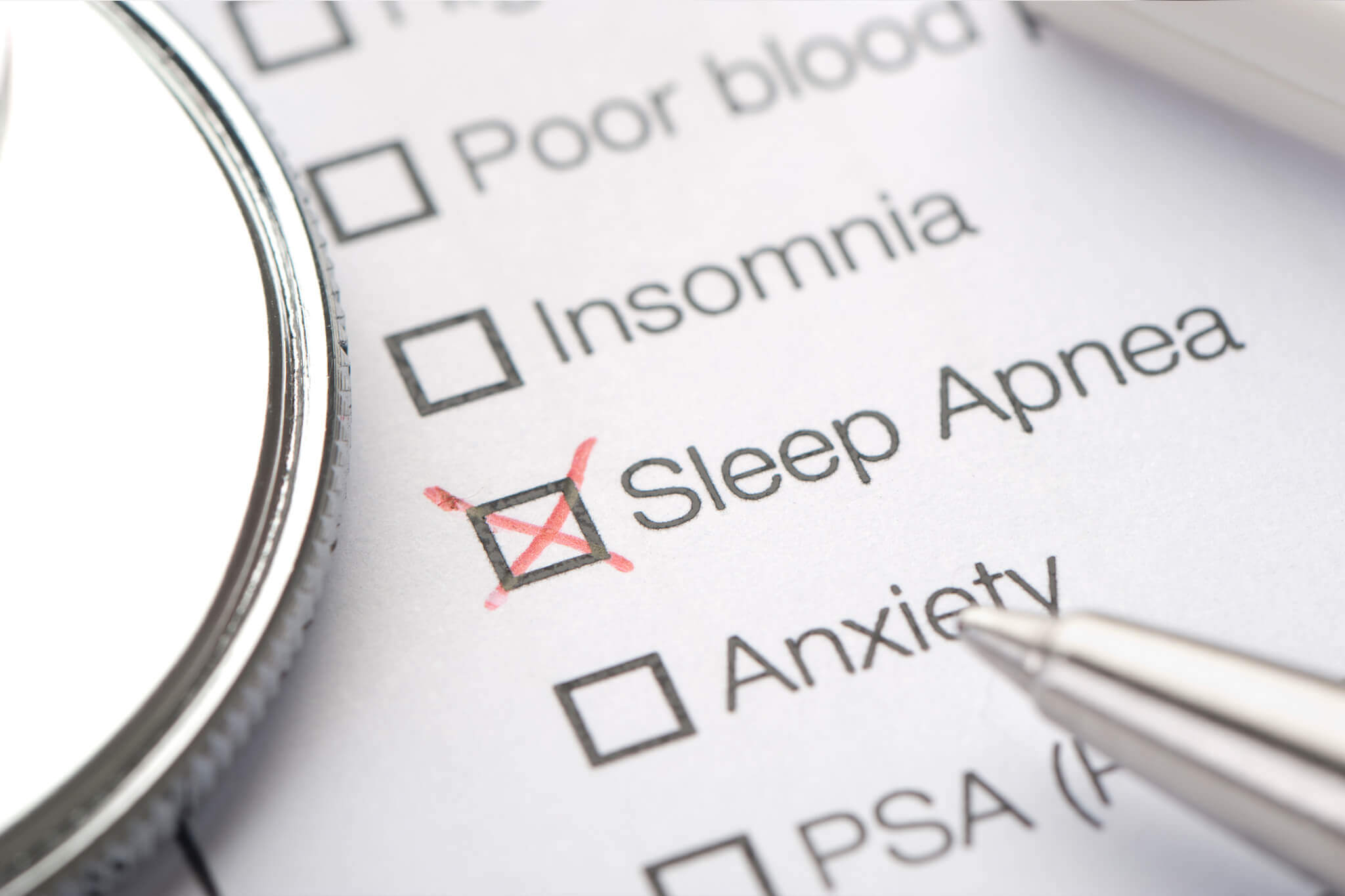
A sleep specialist looks beyond basic sleeplessness to identify hidden health issues. They can diagnose conditions like sleep apnea, restless legs syndrome, and narcolepsy. These conditions often mimic basic sleeplessness but require vastly different medical approaches.
What Happens During a Sleep Study?
A sleep study, or polysomnography, is a comprehensive test used to diagnose sleep disorders. You will spend the night in a specialized clinic where technicians monitor your physical activities while you rest. The results provide your physician with a detailed map of your sleep architecture.
A home sleep testing option is also available for people who have a high likelihood of having obstructive sleep apnea. This allows patients to undergo testing in the comfort of their own home, with portable devices that measure breathing patterns and oxygen levels.
During a sleep study, electrodes are placed on your scalp, temples, chin, chest, legs and other body parts to monitor brain waves, eye movement, muscle tension and heart rate. A belt around your chest will also measure your breathing patterns. In some cases, an oximeter may be used to monitor oxygen levels in your blood.
After the sleep study, the collected data will be analyzed by trained professionals who will then provide a comprehensive report detailing their findings and recommendations for treatment. This report can serve as a valuable tool for both you and your healthcare provider in addressing any underlying issues that were discovered during the study.
How Can You Improve Your Sleep Hygiene?
Practicing good sleep hygiene is a fundamental aspect of the treatment for insomnia in adults. These daily habits set the stage for a restful night and reinforce your body’s natural circadian rhythm. Consistency is the key to making these practices work.
- Maintain a schedule. Go to bed and wake up at the same time every day.
- Create a sanctuary. Keep your bedroom dark, quiet, and comfortably cool.
- Limit screen time. Avoid televisions, phones, and computers before bedtime.
- Avoid late caffeine. Do not consume coffee or tea in the late afternoon.
- Exercise regularly daily. Engage in physical activity during the daylight hours.
You should practice these habits consistently, even on weekends. When you align your daily routines with your biological clock, your body naturally prepares for rest as the evening approaches.
Where Can I Find Treatment for Insomnia in Adults Near Reno, NV?
If you are seeking effective treatment for insomnia in adults in Sparks, Nevada, our dedicated team is ready to assist you. At MelioREM Sleep Clinic, our medical experts work as detectives on your behalf to discover the root cause of your sleep issues and get you the treatment you need. We understand how exhausting it is to fight through the day after a sleepless night.
Our clinic provides comprehensive evaluations, advanced diagnostic sleep studies, and personalized treatment plans tailored to your specific needs. Do not let another sleepless night drain your energy and affect your health. Contact MelioREM Sleep Clinic today at (775) 557-4900 to schedule an appointment with our sleep specialists and take the first step toward a better night of rest.